Embodied Skill Training Through Constraint
Developing precision, control, and focus through structured, embodied practice.
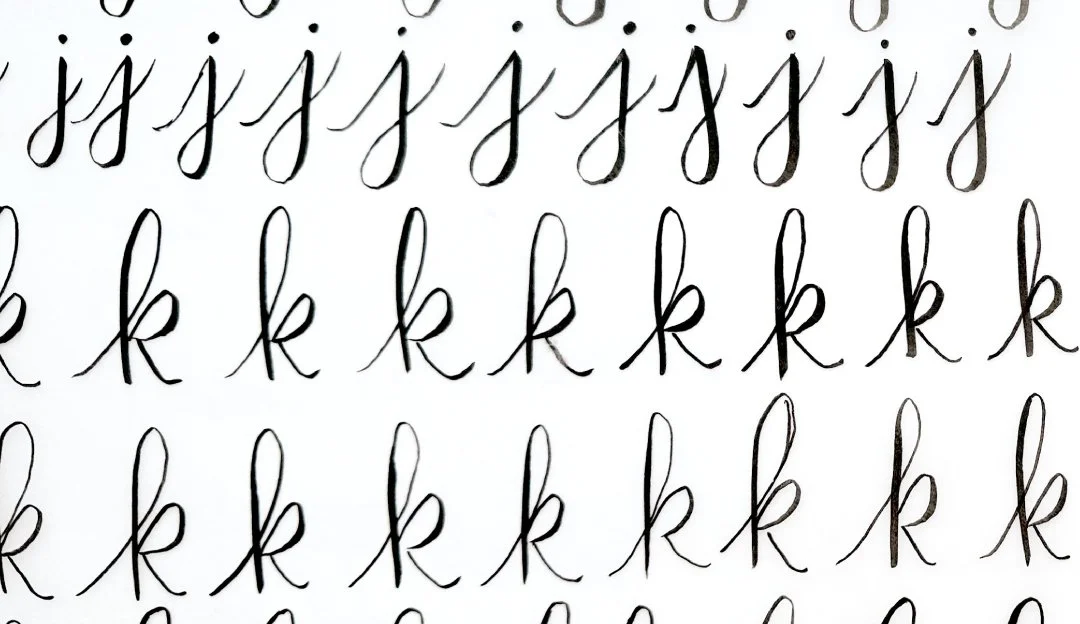
Framing
This project frames calligraphy as a method for teaching embodied skill development. Through constrained tools, structured guidelines, and repeated practice, precision emerges gradually through feedback, motor awareness, and sustained attention. The emphasis is on process discipline rather than stylistic outcome.
Pedagogical Focus
How do learners develop precision, control, and focus through embodied practice? This project addresses that question by using intentional constraints—stroke angle, pressure, and scale—to reduce cognitive load and create clear conditions for refinement, consistency, and self-regulation.
Process: From Guided Structure to Refinement
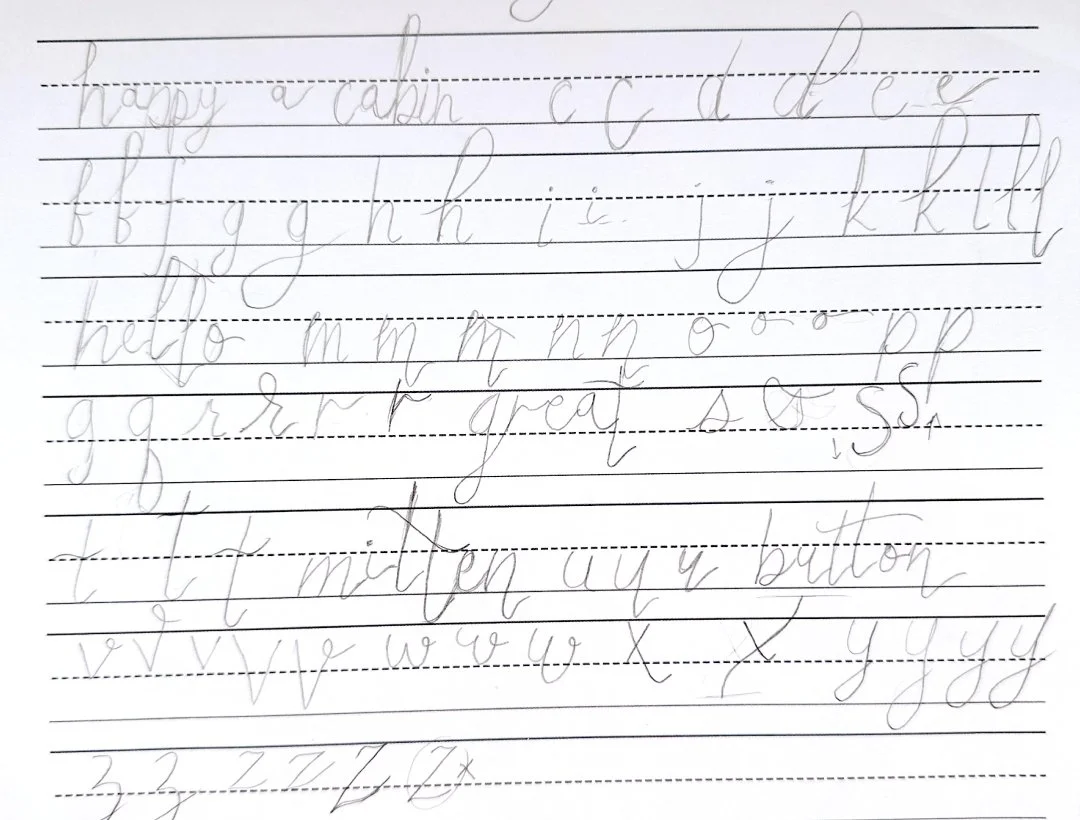
Step 1 — Guided Structure
Guided stroke paths support muscle memory and spatial awareness.
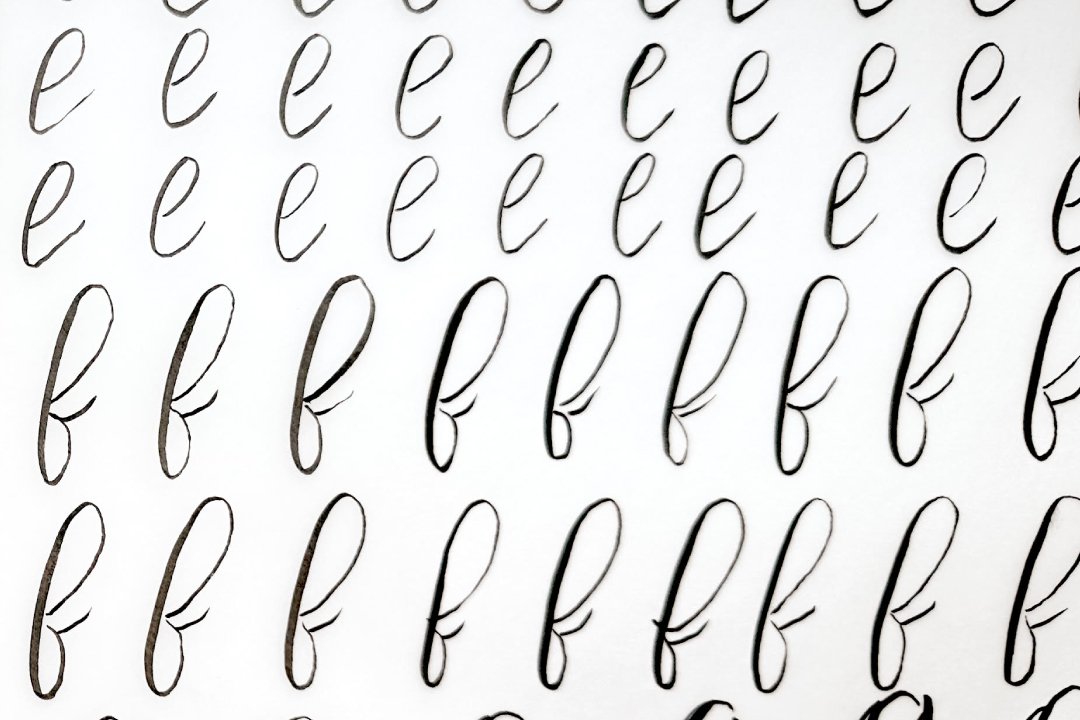
Step 2 — Early Attempts
Forms are repeated slowly with feedback on pressure, rhythm, and alignment.
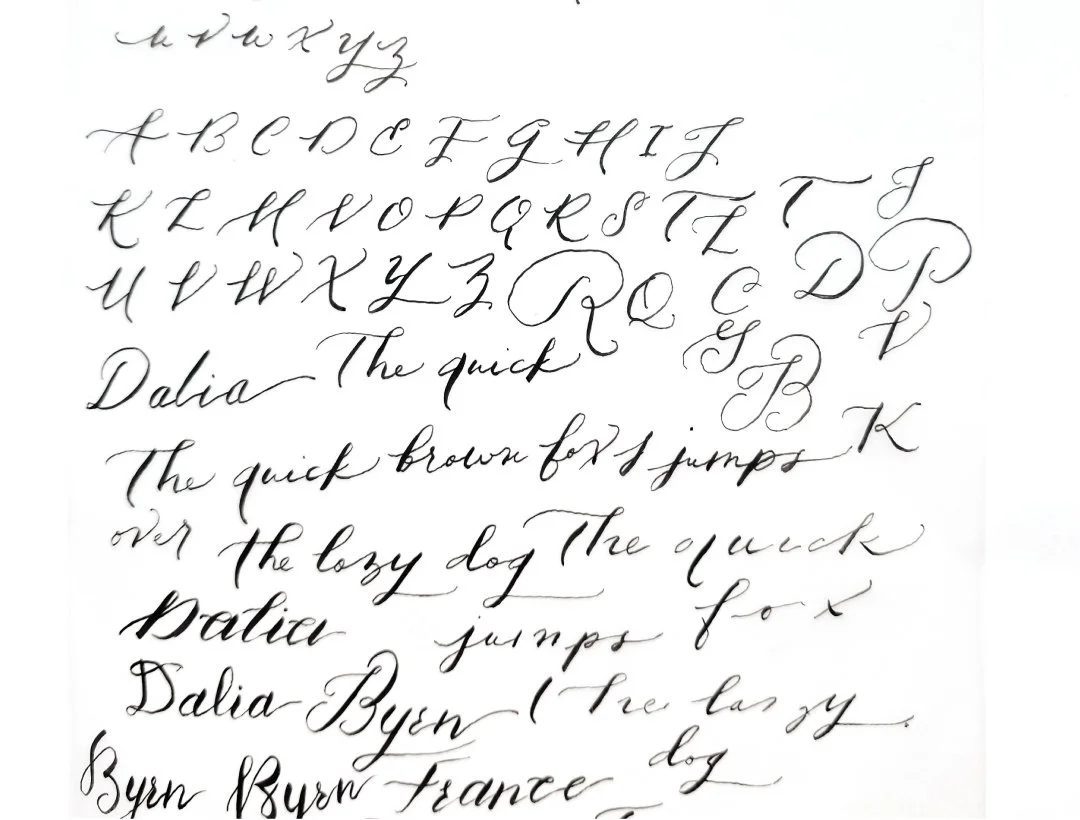
Step 3 — Refinement
Accuracy and confidence increase through repetition without reliance on embellishment.
What This Process Teaches
Fine motor control and visual-motor coordination
Focus and self-regulation through repetition
Awareness of form, spacing, and proportion
Connection to Teaching
This process informs classroom practice by emphasizing repetition, constraint, and embodied attention as foundations for precision-based visual learning.