Case Study: Creativity as Trained Expertise
A design process showing how creative expertise develops.
Framing
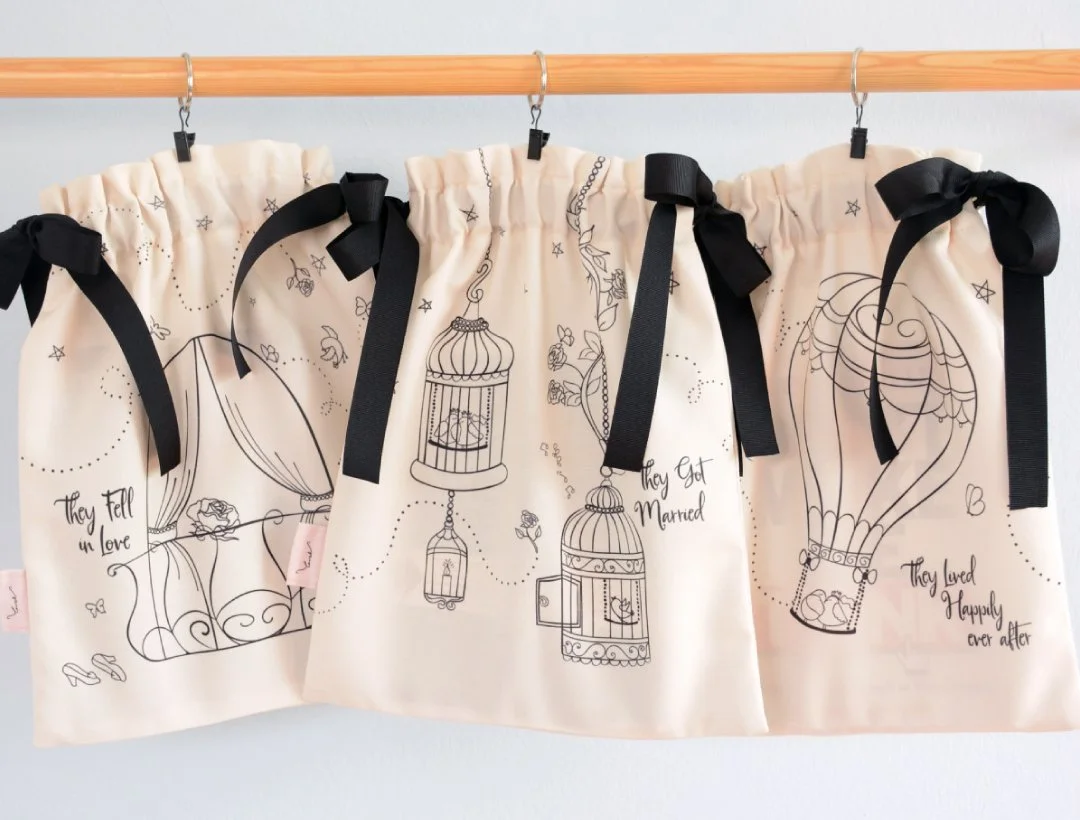
This case study illustrates an approach to creativity as a form of trained expertise rather than an innate talent. Developed through a fully authored design process, the work demonstrates how sustained inquiry, deliberate practice, and material decision-making lead to coherent creative outcomes. Included here as pedagogical evidence, the case study reveals how structured process and reflection translate into classroom learning frameworks within visual arts and design education.
Pedagogical Focus
How does a coherent creative vision emerge through constraint, iteration, and material engagement? This case study examines how intentional structure, sustained inquiry, and reflective refinement support the development of creative expertise.
Process: From Concept to Material Culture
Step 1 — Research & Observation
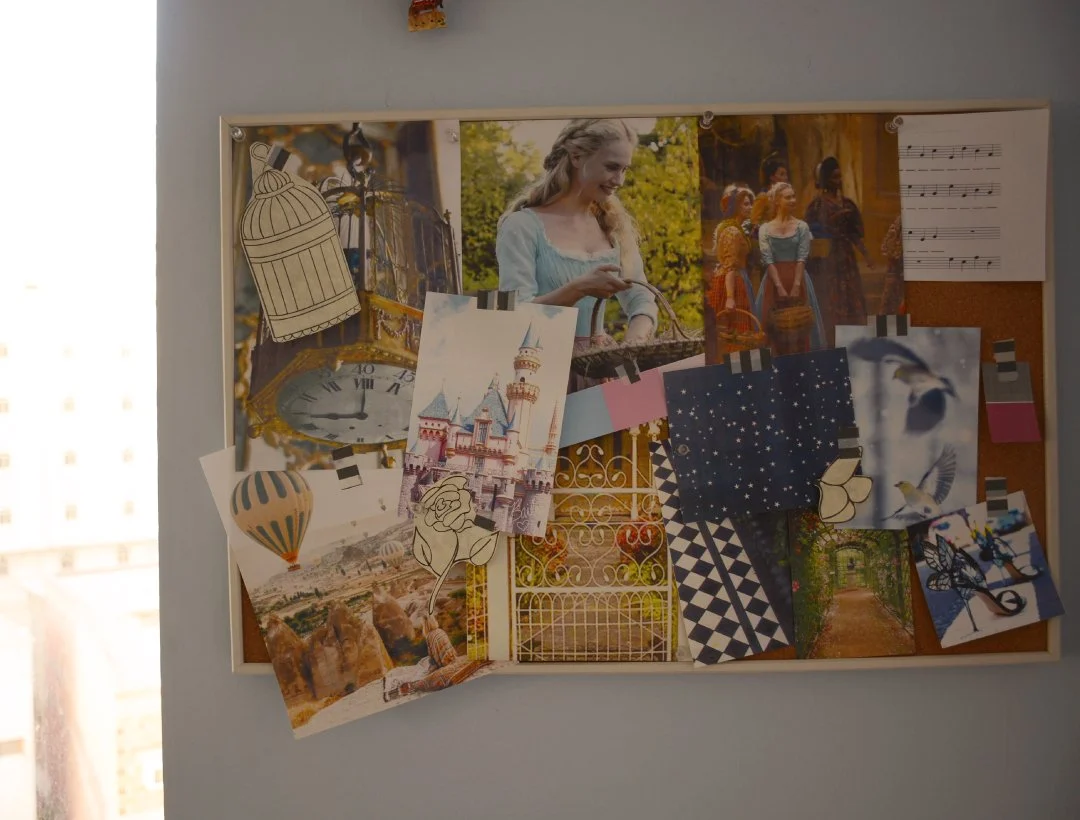
Inquiry into natural forms, cultural references, and material possibilities establishes conceptual direction.
Step 2 — Visual System Development
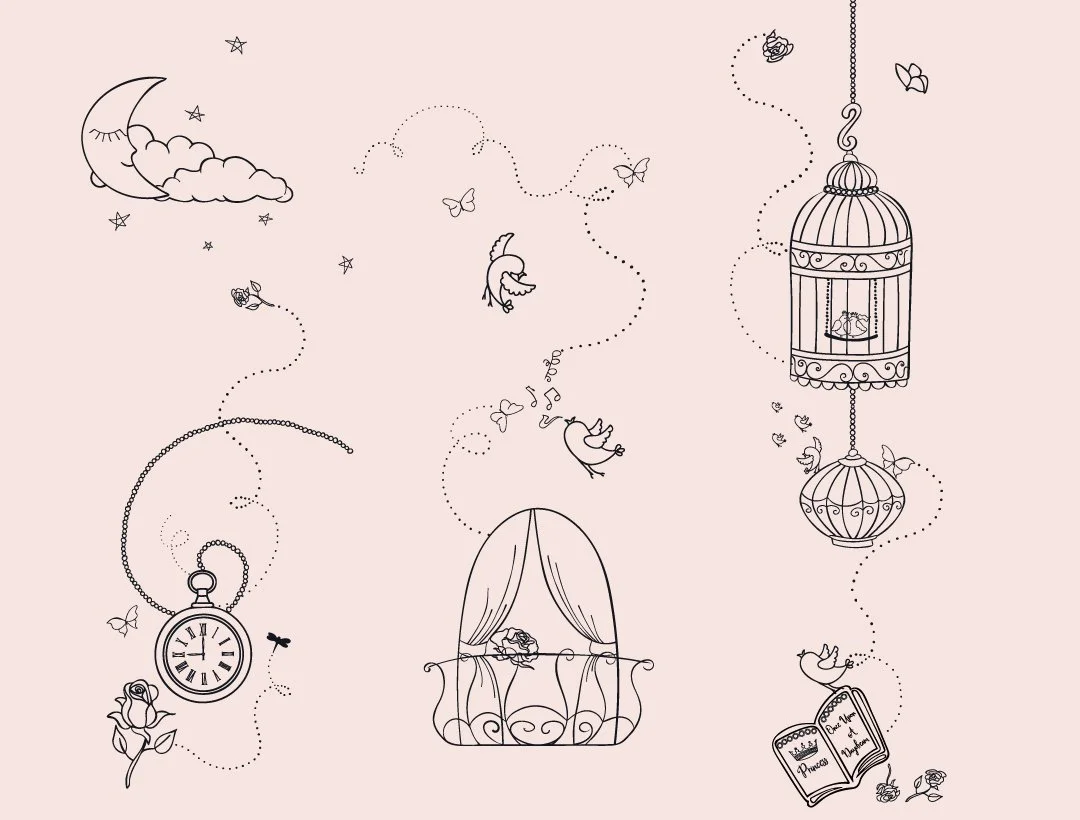
Motifs, color systems, and visual language are refined through iteration and feedback.
Step 3 — Material Translation
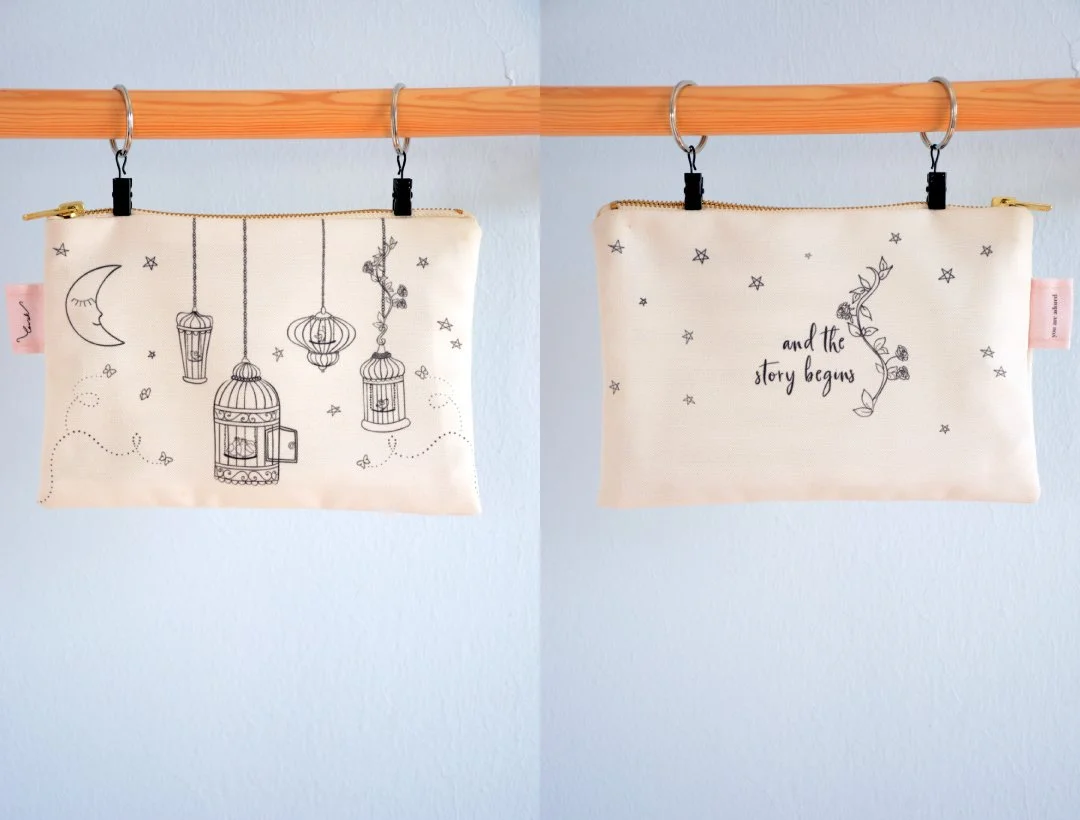
Decisions are tested through real-world application, emphasizing function and coherence.

Step 4 — Reflection & Refinement
Reflection informs revision, reinforcing creativity as an evolving practice rather than a fixed outcome.
What This Process Teaches
How constraints support creative depth
How iteration builds expertise
How reflection guides improvement
How material choices shape meaning
Connection to Teaching
This process informs how learning experiences are designed in the classroom—emphasizing sequenced practice, intentional constraints, and reflective refinement as foundations for creative growth.
Creativity emerges not from inspiration alone, but from conditions intentionally designed to support learning.