From Observation to Visual Systems
Translating careful observation into pattern, symbol, and applied design.
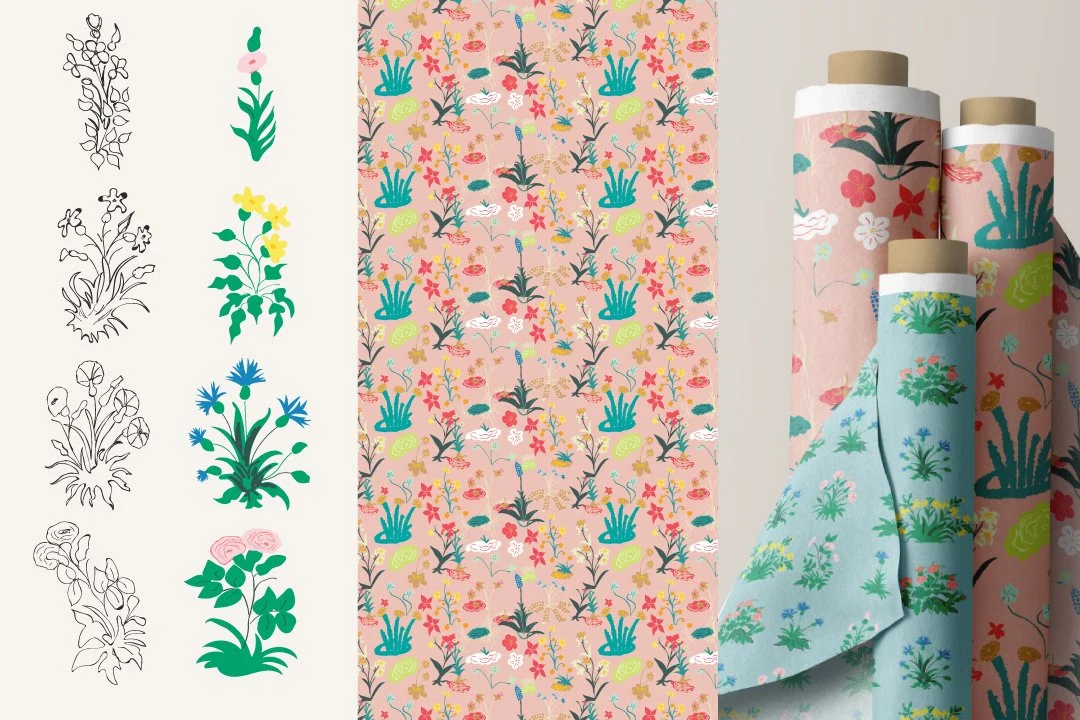
Framing
This project demonstrates how observational skills extend beyond drawing into the construction of coherent visual systems. Students move from studying natural forms to extracting repeatable elements, organizing them into patterns, and applying those systems to purposeful design contexts. The emphasis is on how visual understanding transfers across media, scale, and function.
Pedagogical Focus
How do students learn to move from seeing accurately to designing intentionally? This project addresses that question by guiding students to transform observed forms into structured visual systems that can be adapted, repeated, and applied.
Process: From Form to System
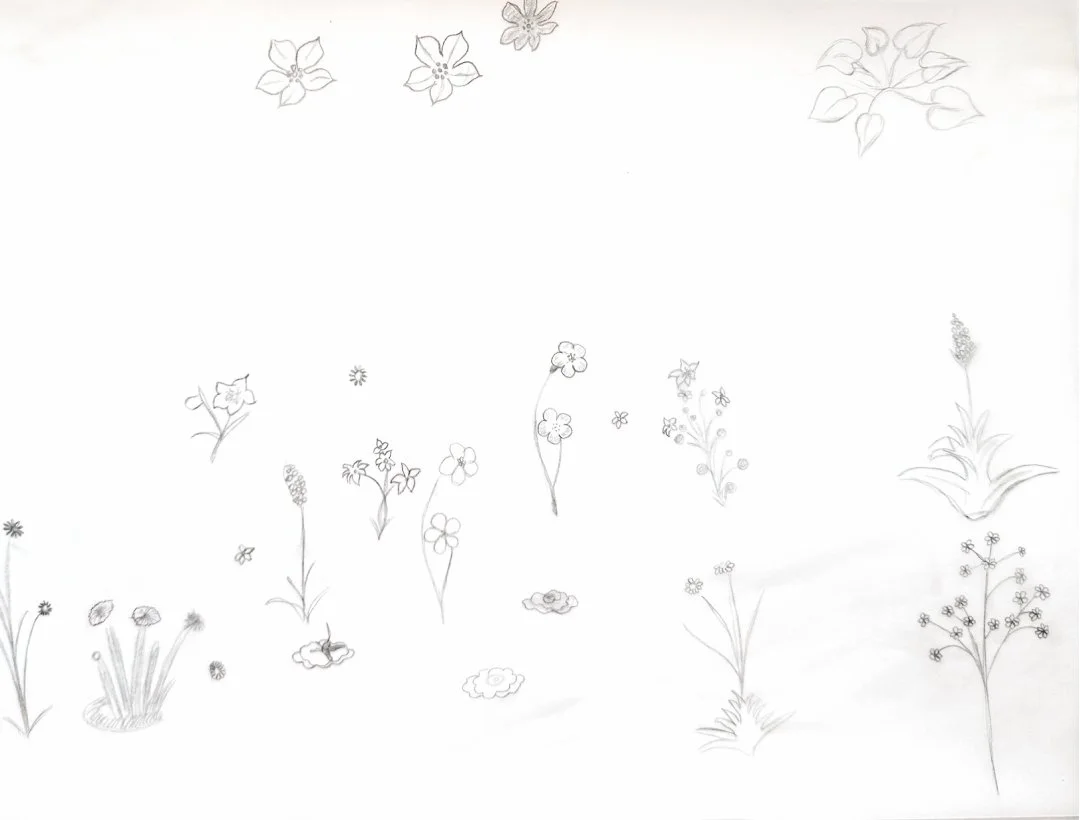
Step 1 — Observed Form
Careful observation identifies essential shapes, rhythms, and relationships within natural forms.
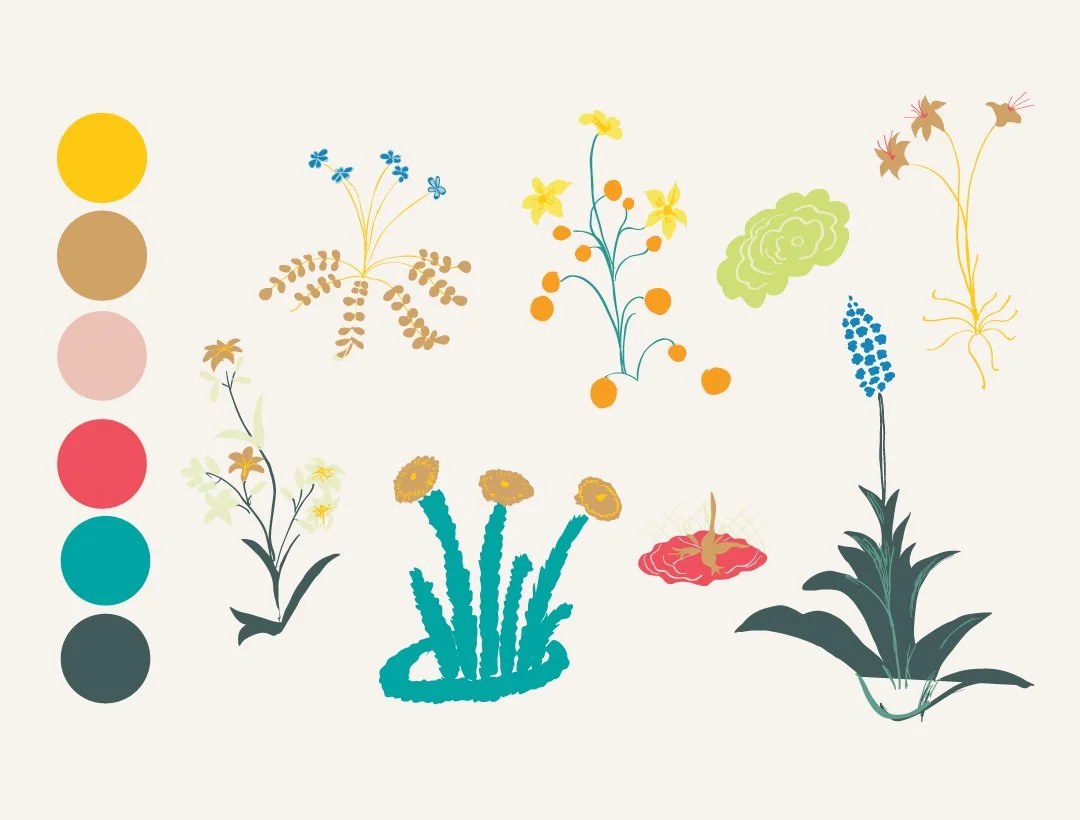
Step 2 — Motif Development
Key elements are abstracted into repeatable motifs while preserving structural integrity and balance.
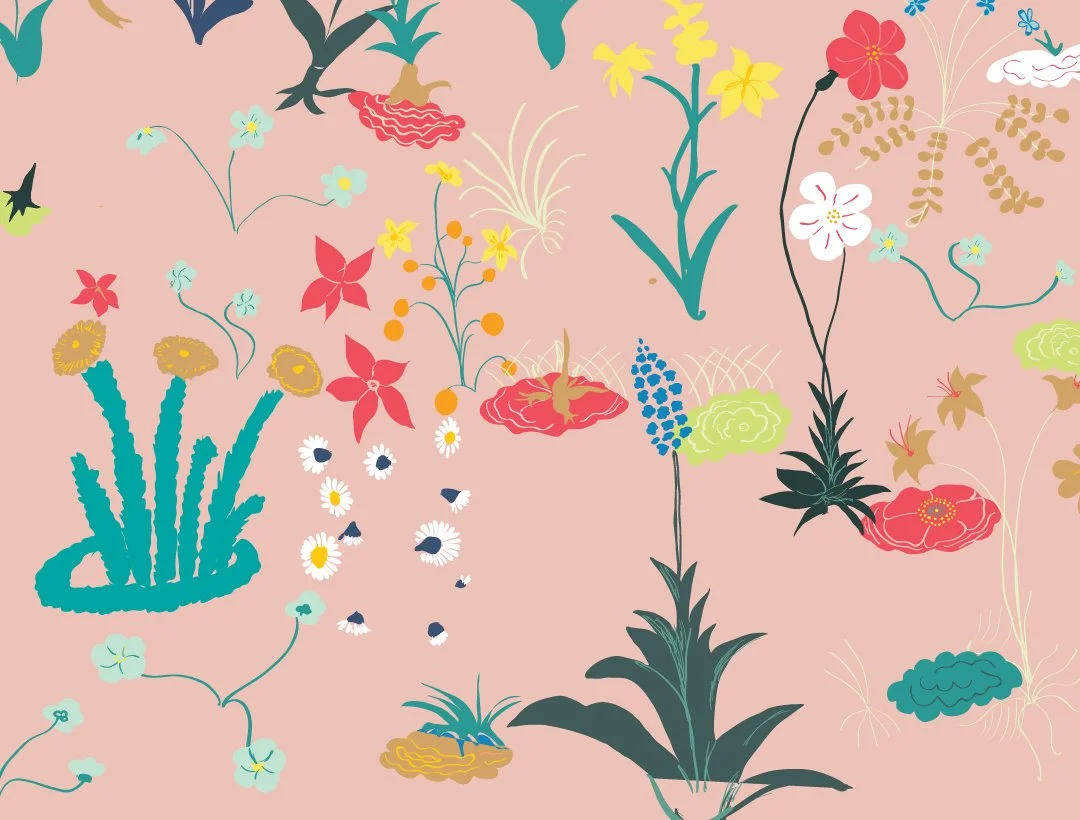
Step 3 — Pattern Construction
Motifs are organized into visual systems, emphasizing repetition, variation, spacing, and coherence.
Step 4 — Application & Use
Patterns are applied to meaningful contexts, reinforcing design decisions as responses to purpose and audience.

What This Process Teaches
How observation informs abstraction
How visual systems create coherence
How design decisions scale across contexts
How process supports intentional outcomes
Connection to Teaching
This process informs curriculum design by supporting inquiry, development, and communication through transferable design thinking in secondary visual arts contexts.
Observation becomes a tool for designing meaning, not simply recording appearance.