Observational Drawing as Trained Perception
Teaching students to see structure before detail through deliberate practice.
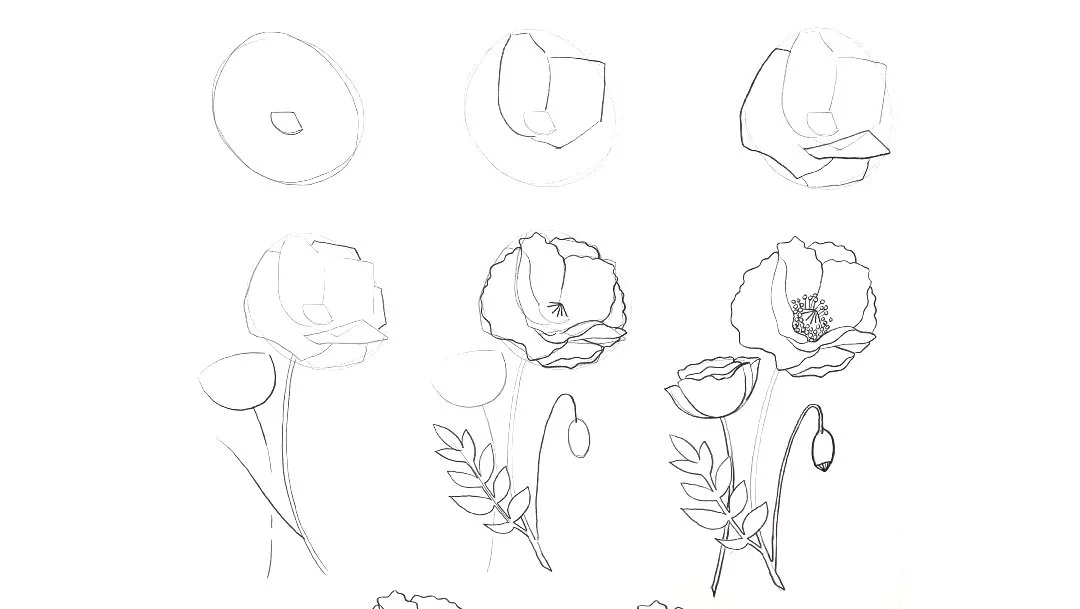
Framing
This project demonstrates how observational drawing can be taught as a structured cognitive skill rather than an expressive talent. Students learn to deconstruct complex natural forms into simple geometric structures, recognize recurring patterns, and rebuild accuracy through deliberate, incremental practice. The focus is not on producing finished drawings, but on training perception, attention, and visual decision-making over time.
Pedagogical Focus
How do students learn to observe accurately without becoming overwhelmed by complexity? This project addresses that question by teaching students to identify underlying structures—symmetry, repetition, and proportion—before attending to surface detail.
Process: From Simple Forms to Visual Accuracy
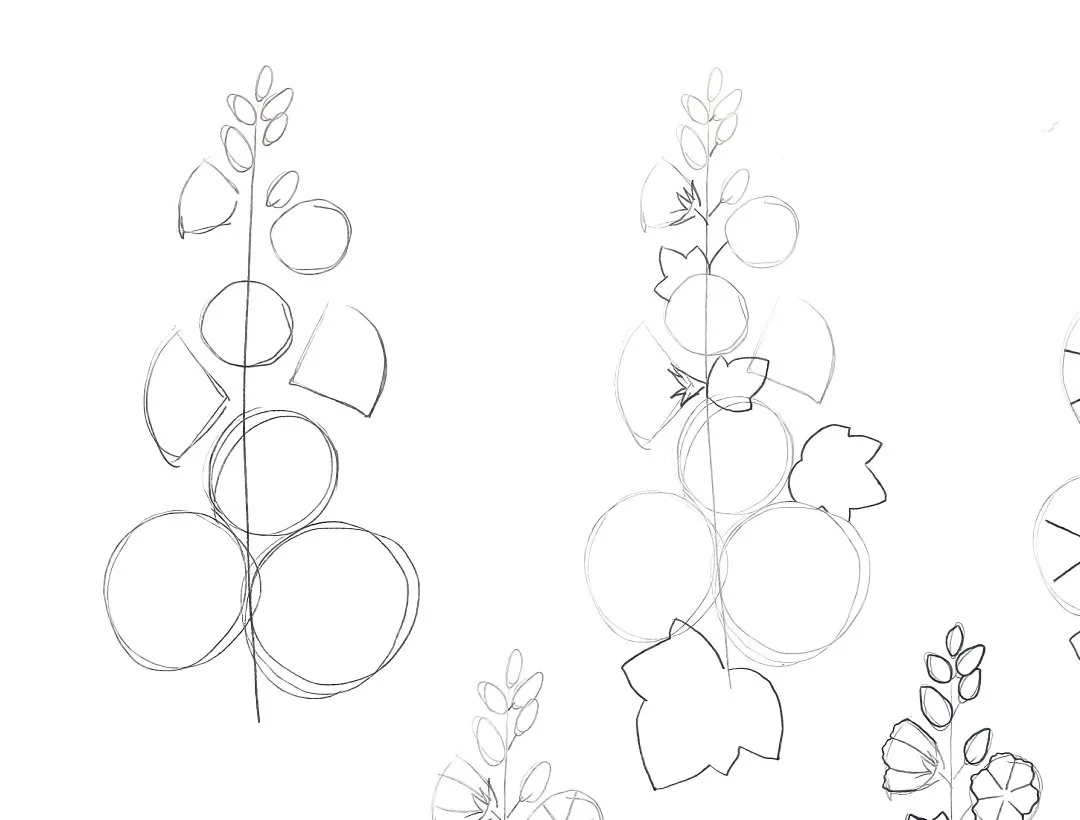
Step 1 — Structural Mapping
The process begins with light structural guidelines to establish proportion, symmetry, and spatial orientation.
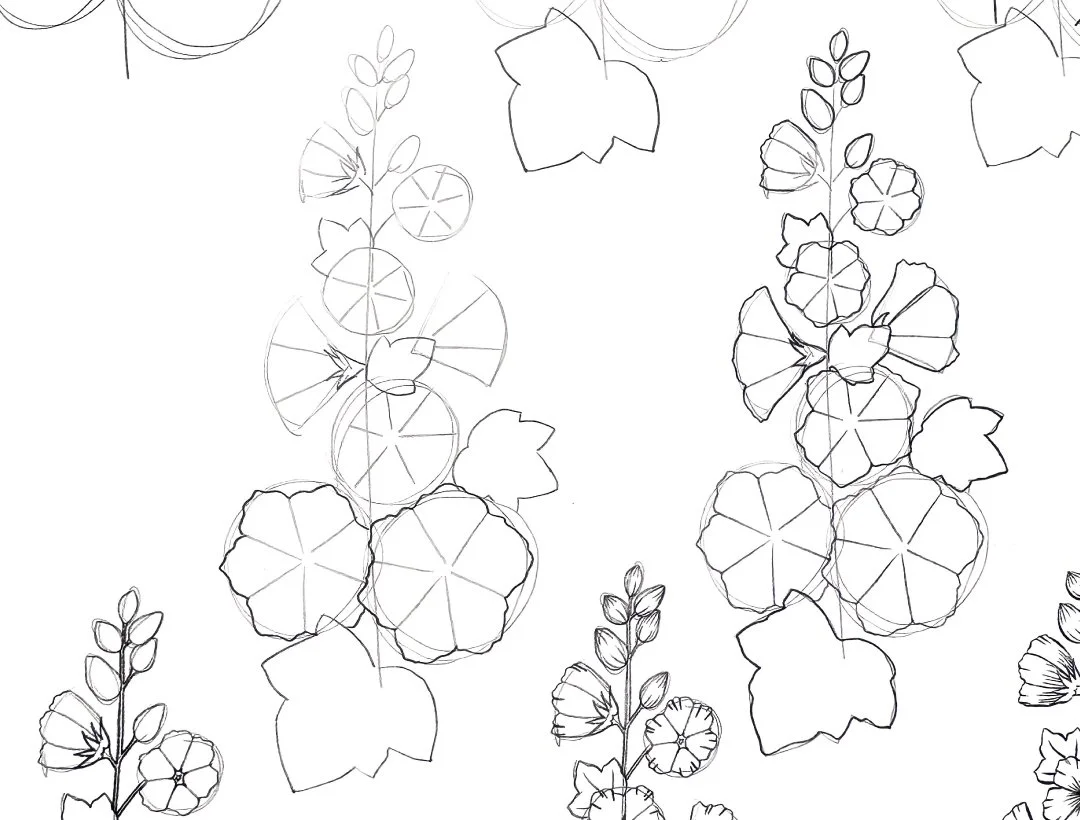
Step 2 — Construction & Relationship
Forms are built gradually, emphasizing how parts relate to the whole rather than isolated detail.
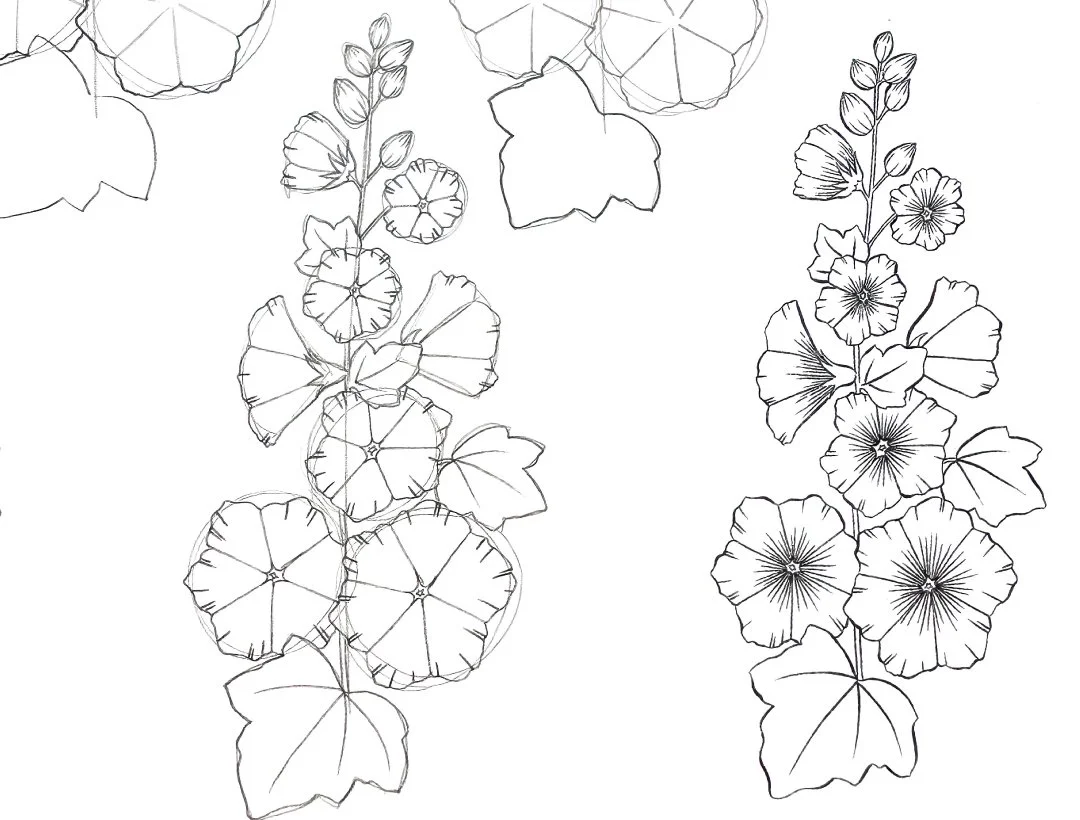
Step 3 — Refinement & Line Control
Detail, line weight, and subtle variation are introduced only after structural accuracy is established.
What This Process Teaches
How complex visual information can be simplified and reconstructed
How accuracy improves through repetition and feedback
How attention and patience function as learnable skills
Connection to Teaching
This process informs how observational drawing is structured in the classroom—supporting skill development, visual analysis, and reflective practice across secondary visual arts contexts.
Observational drawing becomes a foundation for later work in illustration, design, and visual storytelling.