TEACHING APPROACH
Creativity is not a talent — it is a practice you can teach.
A research-informed approach to visual arts and design education grounded in deliberate practice, embodied learning, and intentional entry into creative work.
Designing Entry Conditions for Learning
Structured lesson openings support attentional readiness and reduce cognitive load, allowing students to transition into learning with clarity and purpose.
Embodied Entry into Creative Work
Movement-informed routines are embedded into lesson structure to support focus, regulation, and embodied engagement at the start of creative work.
Creativity as Trained Expertise
Creative skills are developed through deliberate practice, feedback, and iteration, positioning creativity as a form of expertise that can be intentionally cultivated over time.
The following case study illustrates how these principles operate in practice through a fully authored design process.
Case Study: Creativity as Trained Expertise
This case study illustrates an approach to teaching creativity as a form of trained expertise rather than an innate talent. Developed through a fully authored design process, it demonstrates how deliberate practice, structured iteration, and material decision-making can be intentionally sequenced to support deep creative engagement. Included not as a showcase of finished outcomes but as pedagogical evidence, the case study reveals how process, reflection, and embodied decision-making translate into learning structures within visual arts and design education. It reflects the belief that when creative conditions are intentionally designed, learners develop focus, confidence, and mastery over time.
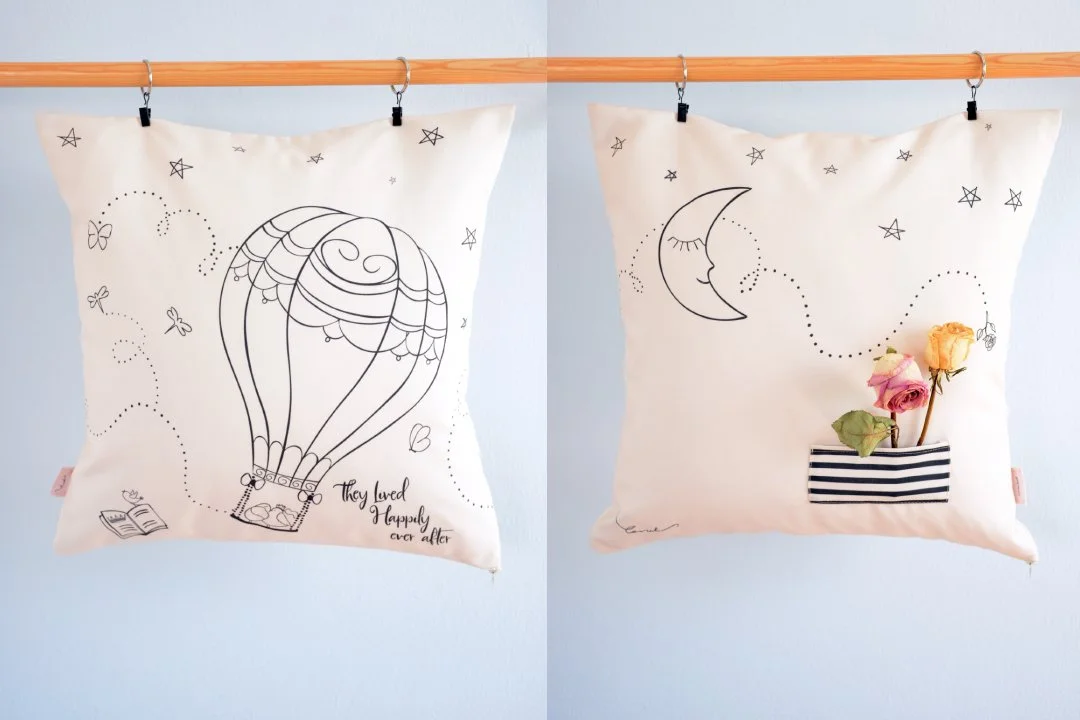
What This Case Study Demonstrates
How creativity develops through sequenced practice, iteration, and feedback
How material, color, and form function as tools for thinking and decision-making
How design processes translate into intentional classroom learning structures
Intent
What question was explored
What constraints were set
Process
Sketching
Color exploration
Material decisions
Translation
Illustration → product
Visual system → lived object
Pedagogical Transfer
How this becomes a classroom framework
What learners develop at each stage
Reflection
What this reveals about creativity as learned expertise
These principles guide my curriculum design, classroom routines, and assessment practices across visual arts and design contexts.